
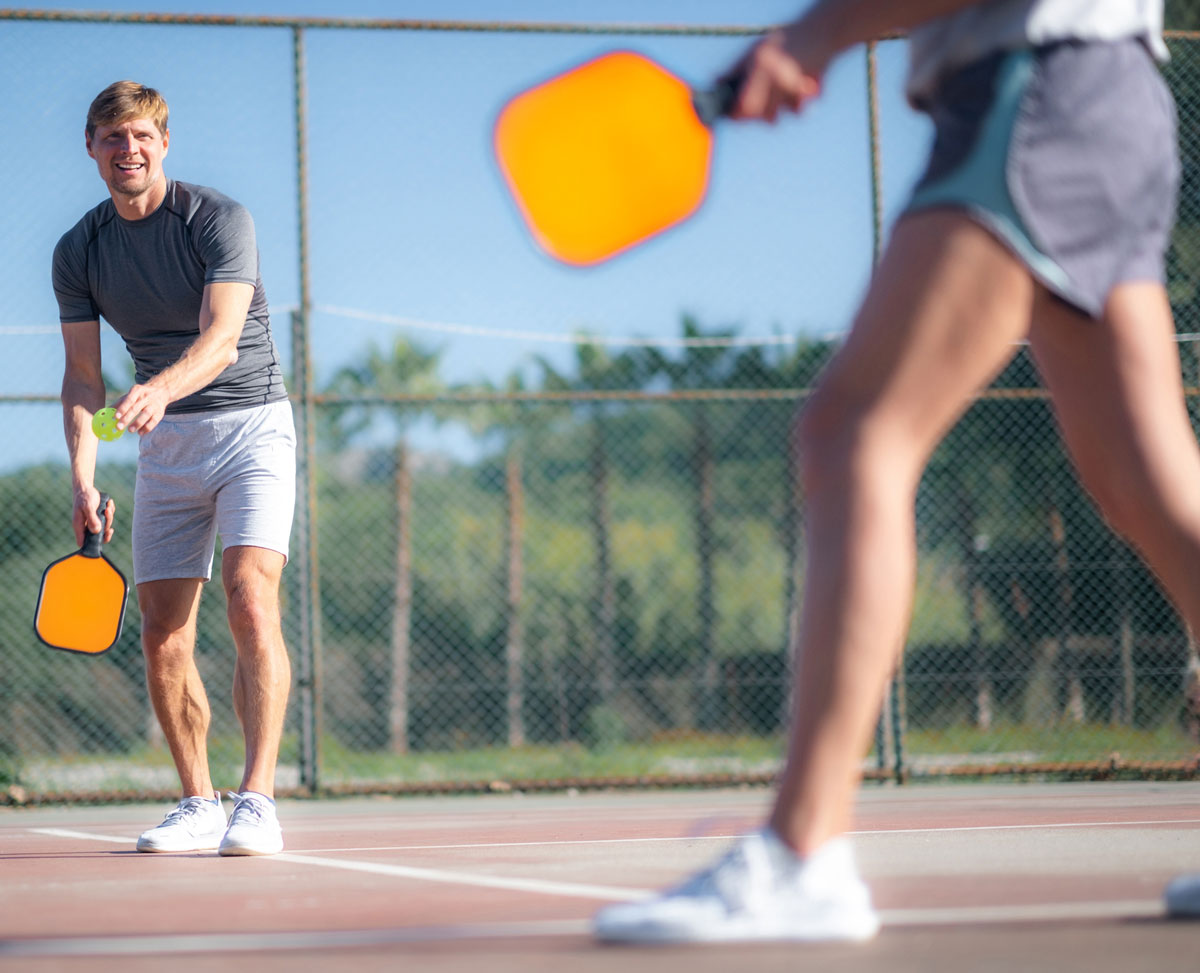
Pickleball has become one of Canada’s fastest-growing sports, and for good reason. It’s fun, social, easy to learn, and a fantastic way to stay active. Whether you’re playing recreationally with friends or competing in local leagues, it’s a great way to improve your fitness and enjoy the outdoors.
As more people in Maple Ridge discover pickleball, physiotherapists are also seeing an increase in pickleball-related injuries. Many players are over the age of 50 and are jumping into a fast-paced sport that demands quick reactions, sudden stops, balance, and explosive movements. Without the right preparation, it’s easy to end up on the sidelines.
The good news? Most pickleball injuries are preventable, and physiotherapy can help you recover safely and get back to playing with confidence.
Why Are Pickleball Injuries So Common?
Pickleball may seem like a low-impact sport, but the game involves:
- Quick side-to-side movements
- Sudden stops and starts
- Rapid changes of direction
- Reaching and twisting
- Repetitive overhead and paddle movements
These movements place stress on your muscles, tendons, joints, and ligaments—especially if you haven’t built the strength, balance, and mobility needed for the game.
The Most Common Pickleball Injuries
Ankle Sprains
Fast changes in direction can easily lead to rolling an ankle. An ankle sprain can cause swelling, pain, instability, and difficulty walking if not treated properly.
Pickleball Elbow (Tennis Elbow)
Repeated paddle swings can irritate the tendons on the outside of your elbow, causing pain when gripping your paddle, lifting objects, or even shaking hands.
Physiotherapy can help reduce pain while improving strength and technique to prevent the problem from returning. More on tennis elbow.
Achilles Tendon and Calf Strains
Sudden acceleration, sprinting to the kitchen line, and quick stops place significant strain on the calf muscles and Achilles tendon.
Ignoring early tightness often leads to a more serious injury.
Knee Pain
Lunging, pivoting, and repetitive bending can aggravate the knees, particularly if you have arthritis, previous injuries, or weak hip muscles.
Physiotherapy can identify the underlying cause and improve the way your body moves, helping reduce stress on the knee joint.
Shoulder Pain
Serving, smashing, and repetitive overhead shots may irritate the rotator cuff or shoulder tendons, leading to pain, weakness, and reduced movement.
Low Back Pain
Twisting, bending, and quick reaching movements can strain the muscles and joints of the lower back, especially when core strength or hip mobility is limited.
Falls Are One of the Biggest Risks
Research shows that falls are among the leading causes of serious pickleball injuries.
Falls can result in:
- Wrist fractures
- Hip fractures
- Shoulder injuries
- Head injuries
Improving balance, strength, and reaction time through physiotherapy can significantly reduce your risk of falling while playing.
How to Reduce Your Risk of Injury
A few simple habits can make a big difference.
Warm Up Before You Play
Spend 5–10 minutes preparing your body with dynamic movements such as:
- Leg swings
- Walking lunges
- Arm circles
- Gentle squats
- Light jogging or brisk walking
Save longer static stretching until after your game.
Build Strength Off the Court
Playing pickleball alone isn’t enough.
A strength program focusing on your:
- Glutes
- Core
- Calves
- Quadriceps
- Balance
will help you move faster and more safely on the court.
Wear Proper Court Shoes
Running shoes are designed for forward motion.
Pickleball involves frequent side-to-side movements, so supportive court shoes provide better grip and stability while reducing your risk of ankle injuries.
Listen to Your Body
Don’t ignore persistent pain.
If discomfort continues after several games or worsens during activity, your body is telling you something needs attention. Early treatment is often quicker and easier than waiting until the injury becomes severe.
How Physiotherapy Helps Pickleball Players
At Momentum Physiotherapy in Maple Ridge, we don’t just treat the painful area—we determine why the injury occurred.
Your physiotherapist may assess:
- Joint mobility
- Muscle strength
- Balance
- Flexibility
- Running and movement patterns
- Paddle mechanics
- Previous injuries
Your treatment plan may include:
- Hands-on manual therapy
- Exercise rehabilitation
- Strength training
- Balance training
- Mobility exercises
- Taping or bracing when appropriate
- Return-to-play guidance
Our goal is to help you recover fully while reducing the chance of future injuries.
Helping Maple Ridge Pickleball Players Stay Active
Pickleball continues to grow in popularity throughout Maple Ridge, with more adults discovering the physical and social benefits of the game every year.
Whether you’re new to the sport or have been playing for years, staying healthy means addressing small problems before they become major injuries. Physiotherapy can help keep you moving so you can continue enjoying the game you love.
Frequently Asked Questions
Should I play through pickleball pain?
Mild muscle soreness after activity is normal. Sharp pain, swelling, limping, or pain that lasts more than a few days should be assessed by a physiotherapist.
Can physiotherapy help pickleball elbow?
Yes. Physiotherapy is highly effective for treating tendon injuries like pickleball elbow by reducing pain, improving strength, and correcting movement patterns that contribute to the problem.
How soon should I see a physiotherapist?
The earlier, the better. Early assessment often leads to a quicker recovery and reduces the risk of developing a more persistent injury.
Ready to Get Back on the Court?
Don’t let pain keep you from enjoying one of Canada’s fastest-growing sports.
Whether you’re experiencing elbow pain, knee pain, shoulder discomfort, ankle sprains, Achilles tightness, or back pain after playing pickleball, the team at Momentum Physiotherapy is here to help!
We’ll identify the root cause of your pain, create a personalized treatment plan, and help you return to the court safely and confidently.
Book your physiotherapy assessment today by calling 604-459-2223 and get back to playing pickleball pain-free!